
Not every patient needs skilled nursing, but some conditions clearly require more than basic home help or family support. Skilled care is chosen when medical supervision and specialized care are essential for safety. Typical skilled needs include:
Elderly patients with multiple health issues
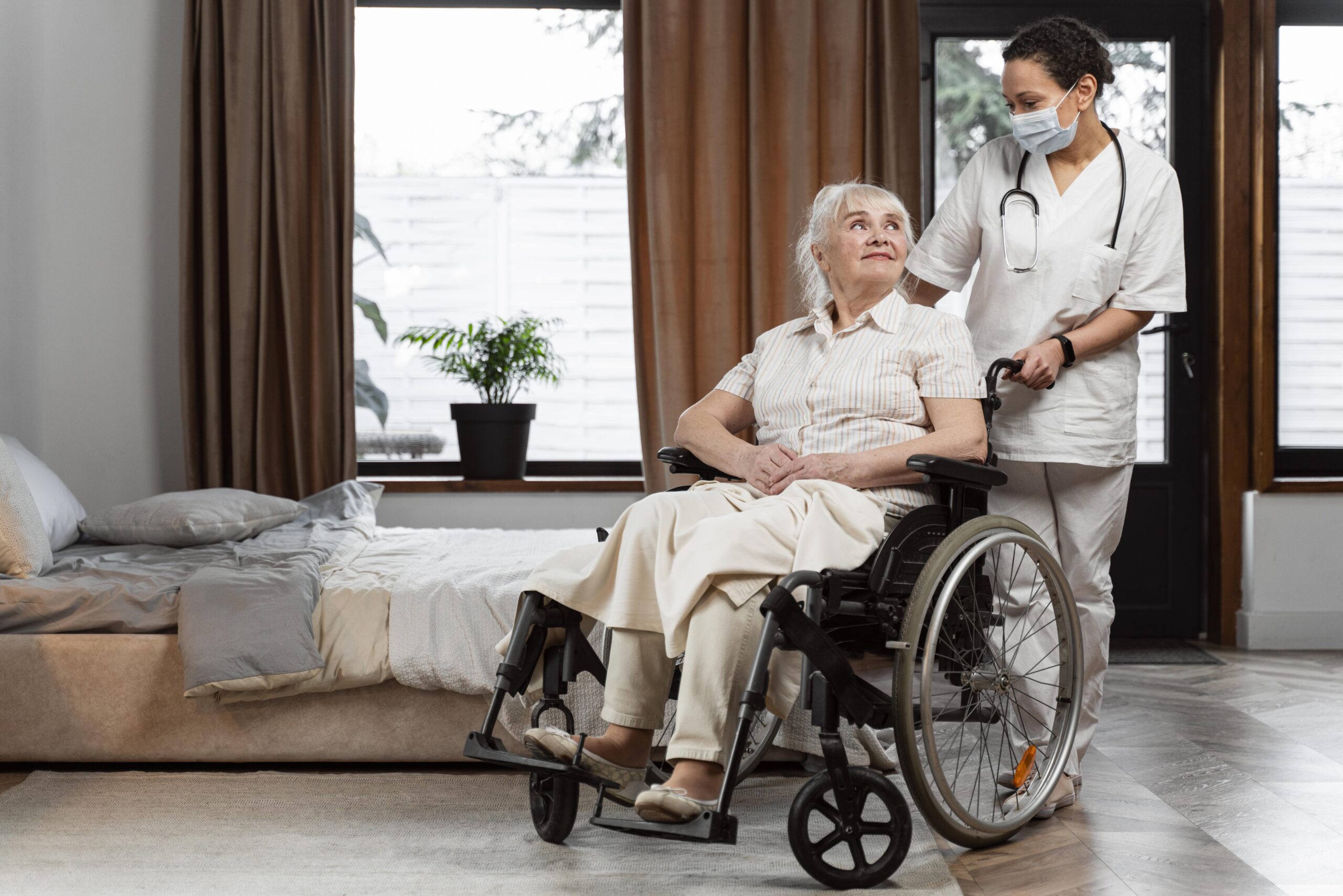
Seniors who have diabetes, heart problems, breathing issues or frequent falls often need skilled nurses to monitor vitals, manage medicines and prevent emergencies.
Post-surgery and post-hospital discharge cases
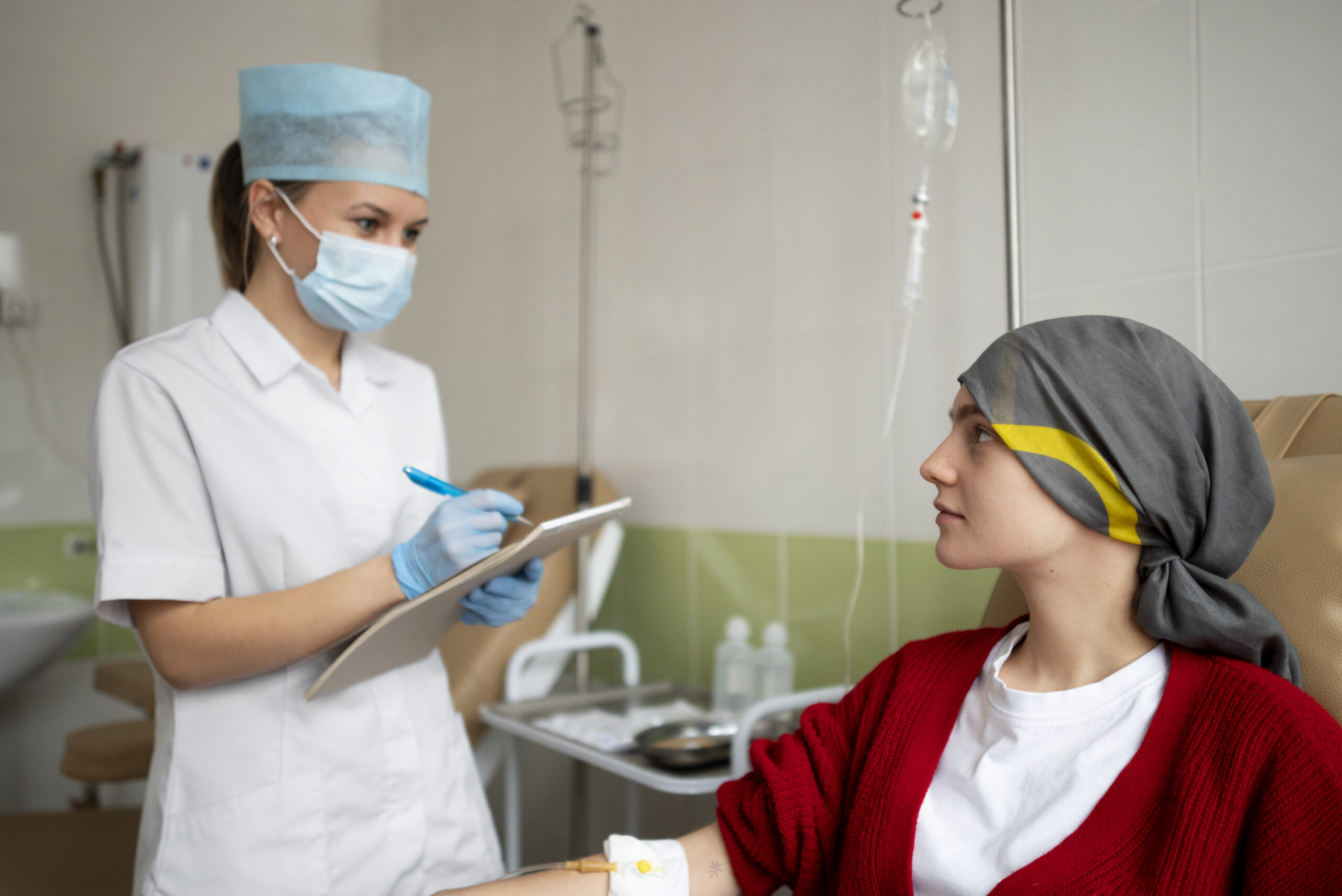
After major operations, fractures or ICU stay, patients may need wound care, drains, injections and regular assessment at home or in a long-term care facility.
Stroke, paralysis and neurological conditions
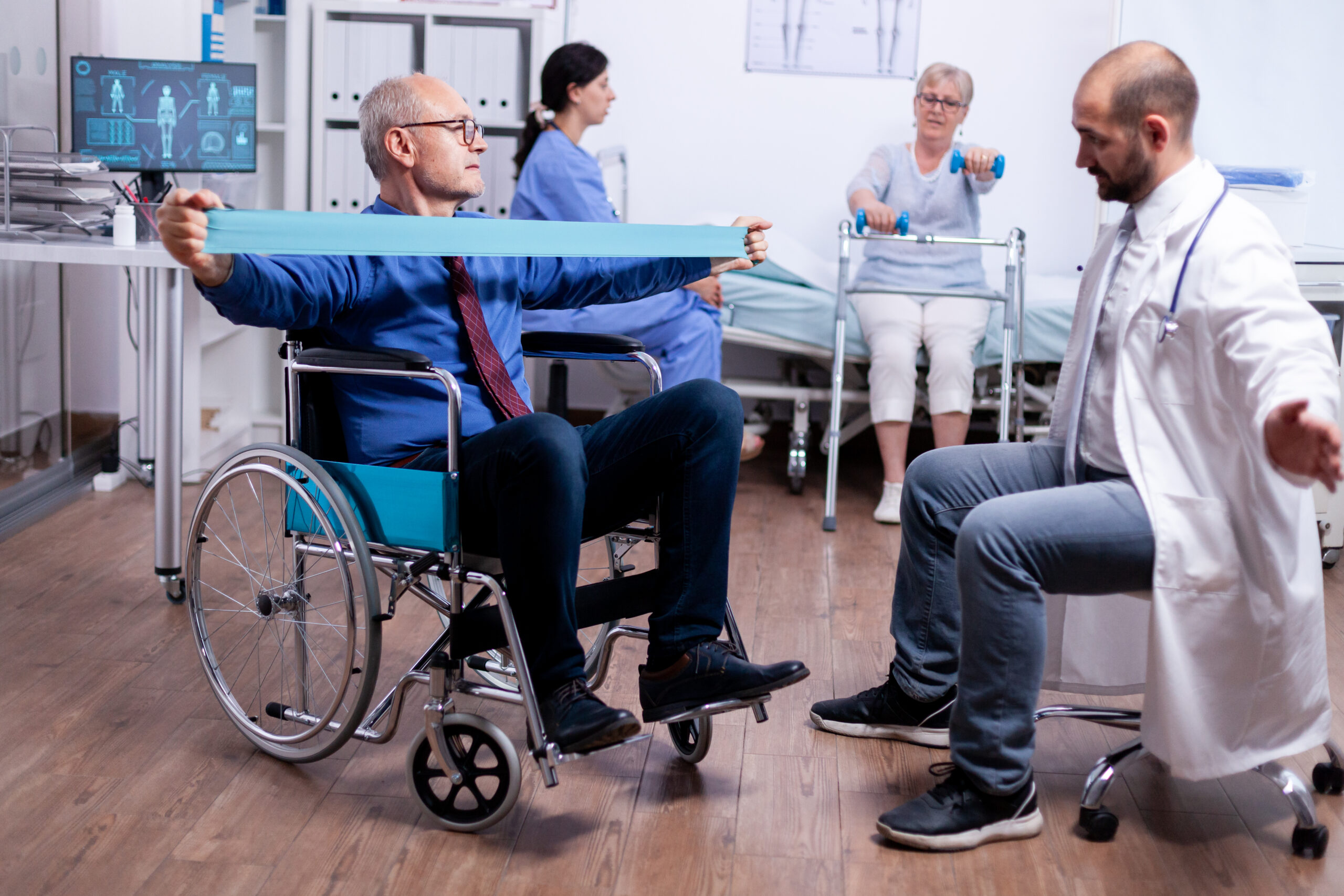
People with limited movement or swallowing difficulty require specialized care for feeding tubes, positioning, contracture prevention and bed sore management.
Chronic illness and heavy care situations
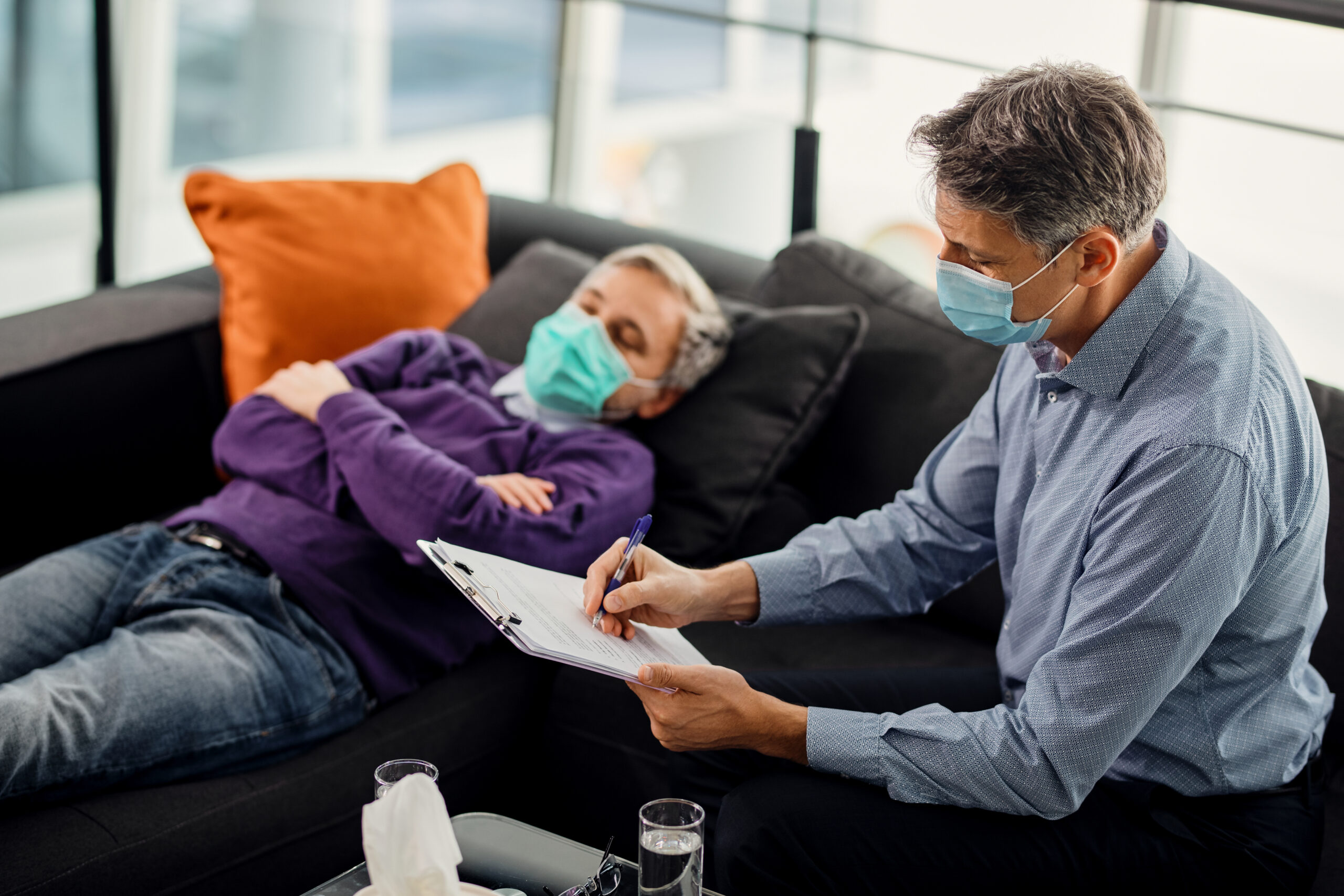
Cancer, renal failure, advanced COPD or heart failure often involve heavy care, pain control and complex medication schedules that demand skilled health care.
Residents of long-term care facilities or nursing homes
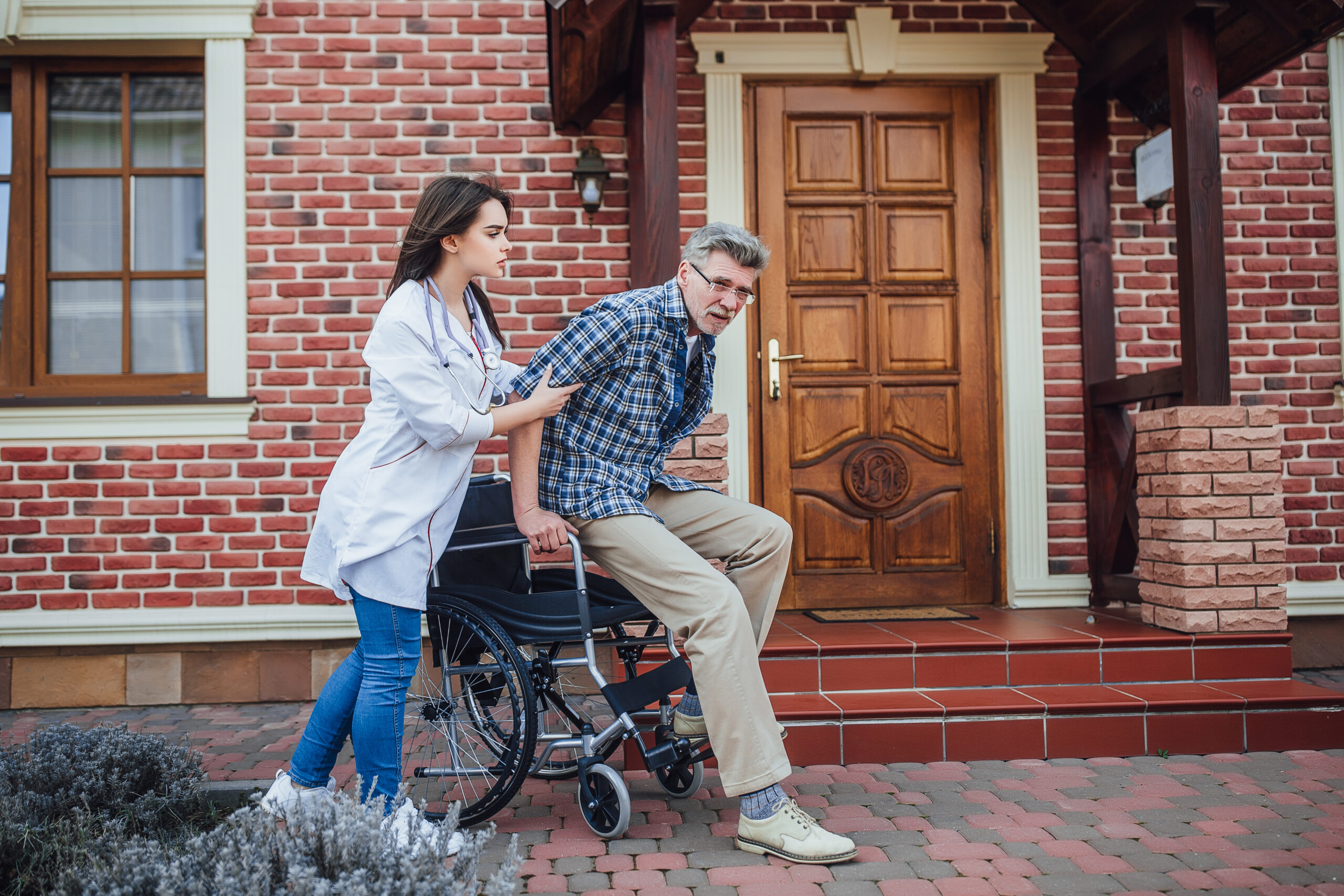 Many patients living in a long-term care facility or nursing home depend on skilled nurses for daily clinical assessment, not just basic support.
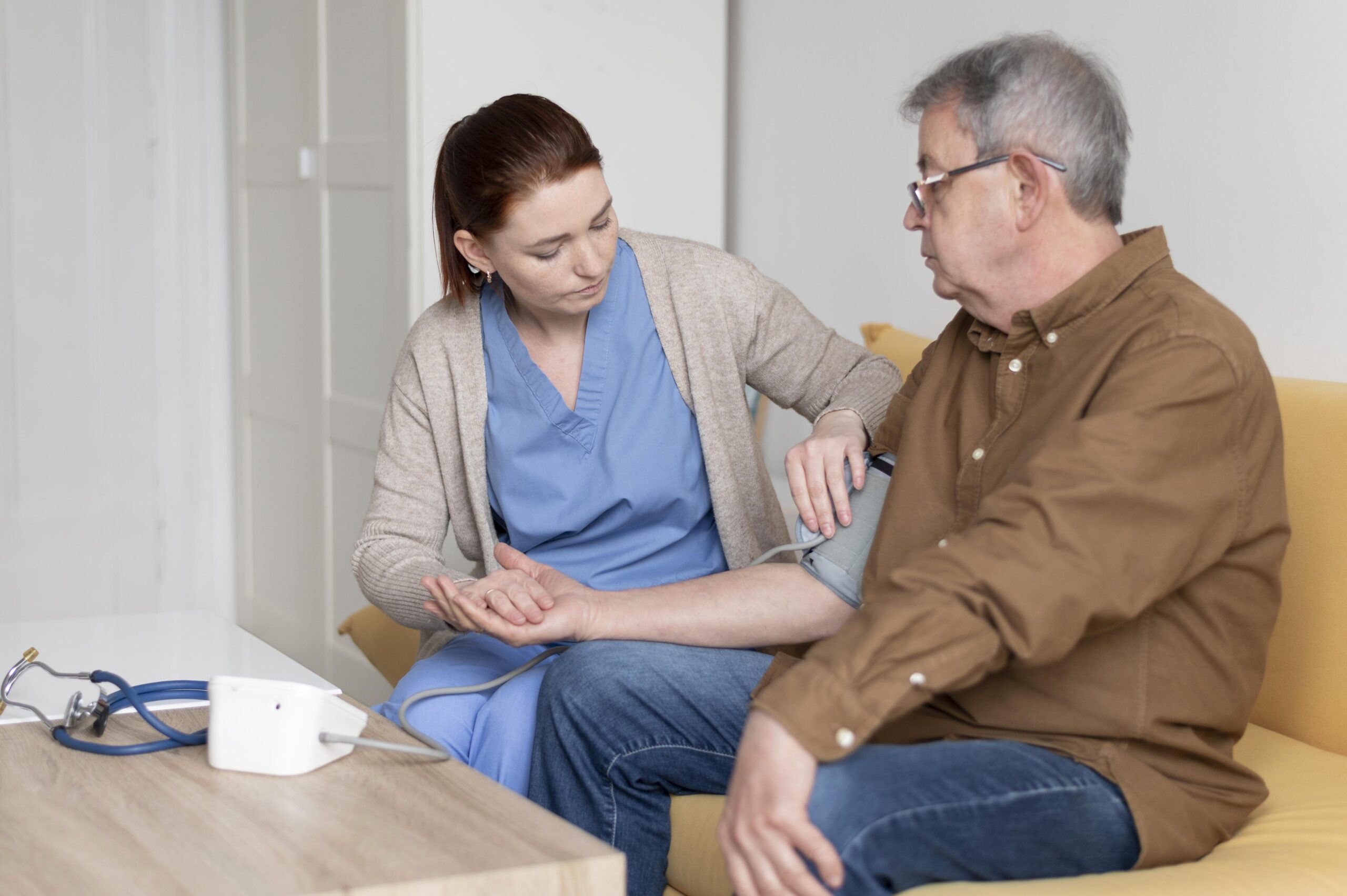 Every structured skilled nursing care plan starts with a detailed nursing assessment. Before any injections, dressings or therapies begin, the nurse and doctor first understand the full health picture. This step decides the level of skilled care needed and whether services will be provided at home or in a nursing facility.
Medical & Clinical Assessment
The clinical assessment focuses on the illness and current stability. The skilled nurse reviews the diagnosis, prescriptions, discharge summary and key lab reports. Vitals such as blood pressure, pulse, temperature, oxygen level and blood sugar are checked and recorded. Symptoms like breathlessness, chest pain, confusion, swelling or pain are noted. This helps the team judge how fragile the patient is and what level of skilled nursing facility care or home monitoring is safe.
Functional & Safety Assessment
Next, the nurse checks how independent the patient is in daily activities. Can they sit, stand and walk with or without support? Are they able to eat and use the toilet safely? Is there a risk of falls, bed sores or choking? The home or room layout is reviewed for loose rugs, poor lighting or difficult stairs. This functional and safety assessment guides decisions on mobility aids, pressure relief mattresses, safe positioning and the number of caregivers needed per shift.
Facility vs Home Assessment
Finally, the team matches the patient’s needs with the available care settings. Some patients do well with home based skilled nursing, while others need closer supervision in a nursing facility. The decision is based on medical risk, family support and budget. A short written assessment summary is shared so that everyone involved understands the baseline condition before treatment begins.
Sample Assessment Summary Table
| Assessment Type | Done By | Purpose |
| Medical & Clinical | Doctor + Skilled Nurse | Understand diagnosis and stability |
| Functional & Safety | Skilled Nurse | Plan mobility, fall and skin care measures |
| Facility vs Home Feasibility | Doctor + Care Team | Decide safest care setting |
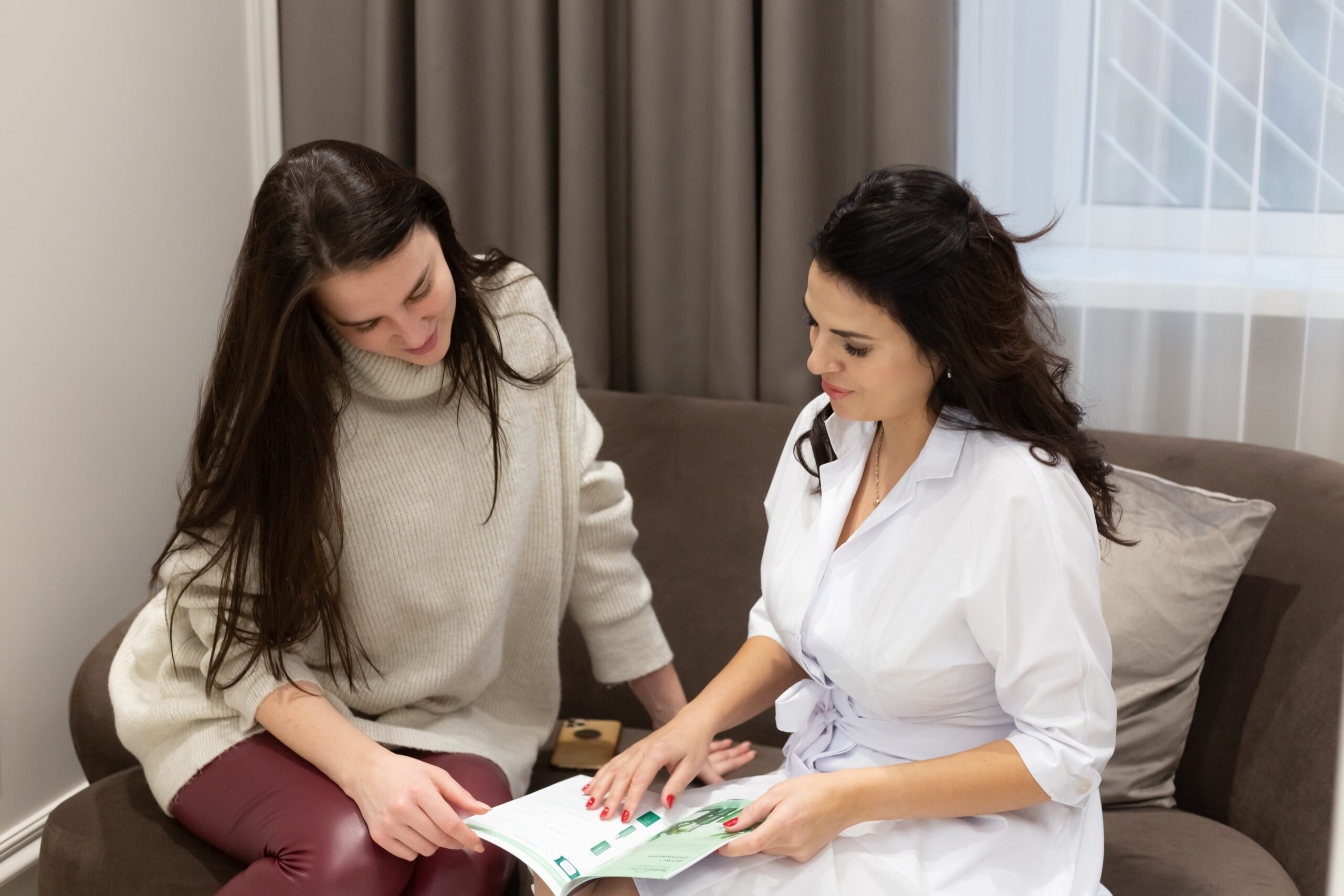 Once assessment is complete, the next step is to build a clear, realistic skilled nursing treatment plan. This plan converts the doctor’s medical orders into day-to-day actions that can be safely delivered at home, in a nursing home or in a skilled nursing facility. It answers three main questions: what care is needed, how it will be done and who will do it. For families, this written plan brings clarity and reduces anxiety because everyone knows exactly what to expect.
Medical Procedures & Specialized Nursing Care
At this stage, the focus is on all procedures that require trained hands and clinical judgement. Examples include wound cleaning and dressing, IV therapy, injections, catheter care, tracheostomy care, tube feeding and oxygen support. This is called specialized nursing care or special nursing care because it cannot be delegated to untrained attendants.
The skilled nurse checks doctor’s prescriptions, prepares sterile material, explains the procedure to the patient and family, and then performs each step with care. After the procedure, they observe for pain, bleeding, breathlessness, fever or any other warning sign. All of this is documented so that the doctor can review progress and adjust treatment.
Medication & Monitoring
Medicines are a major part of any skilled health care plan. The nurse prepares a schedule for tablets, syrups, injections, inhalers or insulin so that doses are not missed or doubled. They also check for side effects like dizziness, stomach upset, swelling or rash and immediately inform the doctor if anything unusual appears.
Regular monitoring of vitals such as blood pressure, pulse, oxygen saturation and blood sugar is built into the plan. For fragile patients, these checks may happen several times a day. The goal is early detection of any deterioration so that hospitalisation can be prevented where possible and comfort is maintained.
Coordination With Nursing Services
In many cities, families combine different nursing services to support long-term care. A skilled nurse may visit from a nurse clinic, while trained attendants stay round the clock at home. For some patients, an on call nurse arrangement works well, where skilled nurses visit whenever specialised procedures are needed.
With growing technology, online nurses and teleconsultations are also used. The skilled nurse shares reports, photos of wounds or logs of vital signs with the doctor through secure channels. This close coordination between home care, clinic visits and telehealth ensures that the treatment plan is not just written once, but actively managed as the patient’s condition changes.
Skilled nursing does not end once the first few procedures are done. The real safety comes from steady follow-up and honest documentation. Every day, the skilled nurse checks vitals, pain level, wound status, fluid intake, urine output, appetite and sleep. These small details show whether the patient is actually improving or silently getting weaker. Regular, disciplined monitoring is the backbone of any good nursing service.
All observations and procedures are written down in simple, clear notes – time of medicines, dressing changes, sugar readings, oxygen level, behaviour changes and any emergency calls. This documentation allows the doctor to see trends over days and weeks, not just one-time readings. When patterns are visible, the care team can modify the skilled nursing care plan early, instead of waiting for a crisis.
Modern skilled nursing services are part of a broader nursing care delivery system and trends that include teleconsultations, digital records and family education. In many homes and facilities, nurses now update charts in apps or shared folders so that doctors and relatives can quickly review them from anywhere.
When follow-up, documentation and communication work together, care becomes continuous rather than fragmented. The patient feels more secure, the family feels supported and the doctor can make better decisions. This continuity is what truly defines high-quality skilled nursing care.
