
Reviewed and published by Surakat Ahmed, Founder & Managing Director, WeCare24 Home Nursing & Security Solutions (ISO 9001:2015 certified). More about WeCare24. Published: 27 March 2026 · Last updated: 19 May 2026
A stroke happens when blood supply to the brain gets interrupted, either by a clot or a bleed. It can happen suddenly, and the damage it leaves behind often changes life for both the patient and the family. After hospital treatment and initial stabilisation, the real journey begins at home.
Stroke patient care at home is not just about giving medicines on time. It involves creating a safe environment, helping with daily activities, supporting physical recovery, and being emotionally present through a long and often frustrating healing process. The quality of care a patient receives after discharge plays a direct role in how well and how fast they recover.
Recovery depends on many things – the type of stroke, how severe it was, how quickly treatment was given, and the kind of rehabilitation support available at home. Some patients regain most of their abilities within weeks. Others need months of consistent effort. But one thing stays common across all cases – timely, informed, and patient home care makes a measurable difference in outcomes.
This guide covers everything families need to know about caring for a stroke patient at home, from daily routines and diet to mobility exercises, emotional support, and knowing when to call for professional help.
Understanding Stroke & Its Effects
Before you start caring for a stroke patient at home, it helps to understand what actually happened inside the brain. A stroke is not a single condition – there are two main types, and each affects the body differently.
An ischemic stroke is the more common type. It happens when a blood clot blocks an artery that supplies blood to the brain. Without oxygen, brain cells in that area start dying within minutes. This is why quick medical response matters so much.
A hemorrhagic stroke is less common but often more severe. It occurs when a blood vessel in the brain ruptures and bleeds into the surrounding tissue. The pressure from the bleeding damages brain cells and can cause swelling that makes things worse.
The after-effects depend on which part of the brain was affected and how much damage occurred. Some of the most common effects families deal with include weakness or paralysis on one side of the body, difficulty speaking or understanding words, trouble swallowing, memory problems, and sudden emotional changes like crying or anger without clear reason.
Some patients lose the ability to perform basic tasks they did easily before – buttoning a shirt, holding a glass, or walking to the bathroom. Others struggle more with thinking, concentration, or recognising familiar faces and places.
Understanding these effects is not about feeling overwhelmed. It is about knowing what to expect so you can prepare properly for home care after stroke and respond to each challenge with the right approach instead of panic.
Preparing Your Home for Stroke Care
Bringing a stroke patient home from the hospital requires more than emotional readiness. Your home needs to be physically safe and practically set up to support someone whose mobility, balance, and coordination may be significantly affected.
Start with the bathroom – this is where most accidents happen. Install sturdy handrails next to the toilet and inside the shower area. Remove any slippery rugs or loose mats and replace them with anti-skid mats that grip the floor firmly. A plastic bath chair allows the patient to sit while bathing, reducing the risk of falls. If possible, use a handheld shower instead of an overhead one – it gives the caregiver more control during assisted bathing.
The bedroom setup matters a lot. If the patient has severe weakness or is bedridden, an adjustable hospital-style bed makes positioning and feeding much easier. If that is not possible, use a firm mattress on a bed that is at a comfortable height – not too low that getting in and out becomes a struggle, and not too high that a fall could cause injury. Keep a side table within arm’s reach with water, medicines, a phone, and a call bell or whistle for emergencies.
Clear the walking paths through the house. Remove loose cables, low furniture, and anything the patient could trip over. If there are stairs, consider setting up the patient’s room on the ground floor to avoid unnecessary risk.
Good lighting is easy to overlook but important. Dimly lit hallways and rooms increase the chance of missteps, especially at night. Use night lamps in the bedroom, bathroom, and corridor.
Home care after stroke starts with making the environment work for the patient, not against them. A few simple modifications go a long way in preventing falls, building confidence, and supporting daily recovery.
Daily Care Routine for Stroke Patients
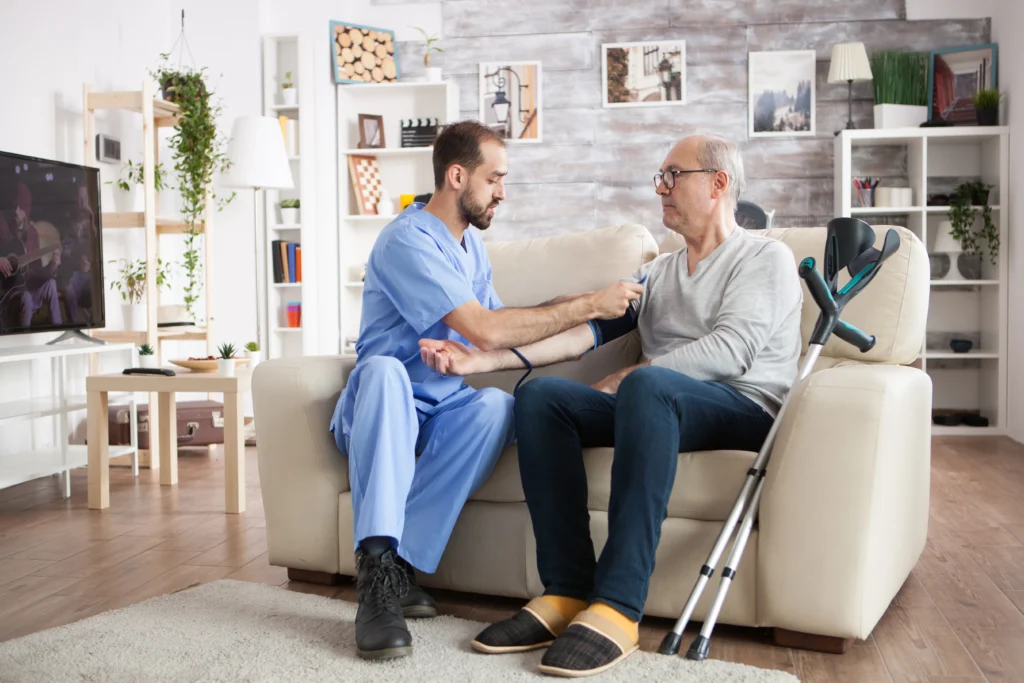
A structured daily routine gives stroke patients stability and helps the body and brain heal consistently. Here is what a practical daily care plan should cover.
Personal Hygiene
Help the patient with a sponge bath or assisted shower daily. Pay attention to skin folds and areas where moisture builds up – infections develop quickly in these spots. Oral care matters too – brush teeth twice daily or use a soft mouth swab if the patient has swallowing difficulty. Change clothes and bed sheets regularly. If diapers are being used, check and change them frequently to prevent rashes and urinary infections. Clean, dry skin is one of the simplest ways to avoid complications during stroke recovery at home.
Nutrition & Diet
Serve soft, easy-to-swallow meals – idli, khichdi, dal rice, mashed vegetables, porridge, and soups work well. Keep the diet low in salt and fat to manage blood pressure and reduce the risk of another stroke. Cut down on pickles, processed snacks, and fried food. Include fresh fruits, green vegetables, whole grains, and lean proteins like dal, fish, and eggs.
Hydration is often underestimated. Stroke patients may not ask for water on their own. Offer water, buttermilk, or coconut water at regular intervals. Dehydration causes confusion, infections, and constipation – all of which slow recovery.
Medication Management
Stroke patients are usually on multiple medicines – blood thinners, BP tablets, cholesterol drugs, and sometimes anti-seizure medication. Follow the doctor’s schedule strictly. Use a pill organiser or phone alarms to track doses. Keep a written log, especially when multiple family members share caregiving duties.
Never adjust or stop medicines without consulting the doctor, even if the patient seems better. If the patient has trouble swallowing tablets, ask the doctor about liquid alternatives. Do not crush medicines on your own – some are designed for slow release.
Consistent post stroke care tips like these form the foundation of a safe and effective recovery at home.
Mobility & Physical Rehabilitation
Loss of movement is one of the most common and frustrating effects of a stroke. Many patients lose strength or control on one side of the body, making even simple actions like sitting up, standing, or walking extremely difficult. Physical rehabilitation is what helps the body relearn these movements over time.
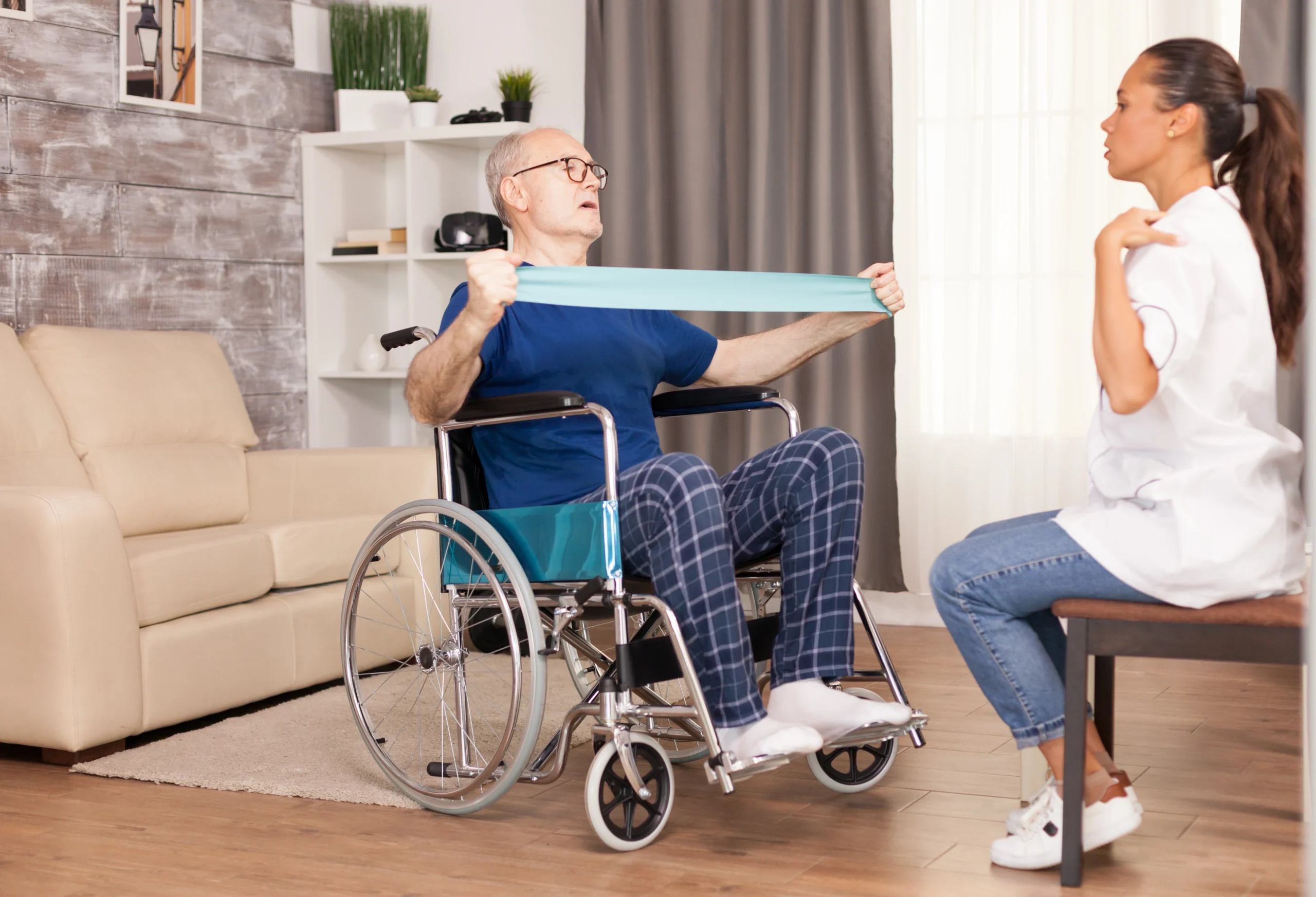
Physiotherapy should ideally begin as early as the doctor allows. In the initial days, exercises are mostly passive – meaning the caregiver or therapist moves the patient’s limbs gently through their range of motion. This prevents joints from becoming stiff and muscles from wasting away due to inactivity. Even when the patient cannot move on their own, these passive movements keep blood circulating and maintain flexibility.
As the patient gains some strength, exercises progress to assisted movements. The patient tries to move with support – holding onto a walker, gripping a caregiver’s hand, or using a bedside rail to pull themselves up. Simple activities like sitting at the edge of the bed, shifting weight from side to side, and standing with support are meaningful milestones during stroke recovery at home.
Walking practice should happen gradually. Start with short distances inside the house using a walker or stick. Do not rush this stage. A fall during early recovery can cause serious injury and set everything back by weeks. Stay close to the patient, support the weaker side, and let them set the pace.
Preventing bedsores is critical for patients who are bedridden or spend long hours in one position. Reposition the patient every two hours – alternate between lying on the back, left side, and right side. Use pillows to support the body and reduce pressure on bony areas like the hips, heels, and shoulders. Keep the skin clean and dry. Once bedsores develop, they are painful and very slow to heal.
Professional physiotherapy at home makes a real difference. A trained physiotherapist designs exercises specific to the patient’s condition, monitors progress, and adjusts the routine as strength improves. For families managing home nursing for stroke patients, having a physiotherapist visit regularly takes the guesswork out of rehabilitation and speeds up recovery significantly.
Speech & Cognitive Recovery
Many stroke patients struggle with speech after the event. Some cannot find the right words. Others know what they want to say but cannot get the words out clearly. In some cases, patients have difficulty understanding what others are saying to them. This condition is called aphasia, and it is one of the most emotionally difficult after-effects for both patients and families.
Speech recovery takes time and patience. Start with simple, short conversations. Ask questions that need a yes or no answer. Give the patient time to respond – do not finish their sentences or rush them. It feels natural to want to help, but jumping in too quickly can discourage them from trying.
Encourage the patient to read aloud, even if it is just a few words from a newspaper headline or a familiar book. Singing old favourite songs can also help because music activates different parts of the brain than regular speech. Some families find that looking at old photo albums and talking about familiar memories sparks better communication.
For cognitive recovery, simple brain exercises help. Puzzles, card matching games, counting exercises, and even watching familiar TV shows and discussing them afterwards keep the brain engaged. The goal is not perfection – it is consistent stimulation.
If speech difficulty is severe, a professional speech therapist can assess the specific problem and create a structured recovery plan. Even a few sessions a week can show noticeable improvement over a couple of months.
Emotional & Mental Support
A stroke does not just damage the body. It deeply affects the mind. Many patients go through depression, anxiety, frustration, and sudden mood swings in the weeks and months following a stroke. This is not weakness – it is a direct result of changes in the brain and the emotional weight of losing abilities they once took for granted.
Some patients cry without any obvious reason. Others become irritable or withdraw from conversations and family life. These are common responses, and recognising them as part of the recovery process helps caregivers respond with understanding rather than frustration.
Be patient. Recovery is slow, and the patient feels it more than anyone else. Celebrate small improvements genuinely – holding a spoon independently, speaking a full sentence, taking a few steps without support. These moments matter enormously to someone rebuilding their confidence from scratch.
Encourage social interaction. Isolation makes depression worse. Have family members and close friends visit regularly. Even short conversations or sitting together during meals gives the patient a sense of normalcy and belonging.
Do not dismiss emotional struggles as just a phase. If the patient shows persistent sadness, loss of interest, or talks about feeling like a burden, speak to the doctor about it. Post-stroke depression is a medical condition and sometimes requires professional support or medication alongside family care.
Warning Signs to Watch After Stroke
Even after a patient comes home and recovery seems to be progressing, there is always a risk of complications or a second stroke. Knowing what to watch for can save a life.
Call for emergency help immediately if the patient suddenly develops numbness or weakness on one side of the face, arm, or leg – especially if it appears without warning. This is one of the most recognisable signs of a new stroke episode.
Slurred or confused speech that was not present before is another red flag. If the patient was speaking normally and suddenly starts struggling with words or sounds incoherent, do not wait to see if it passes. Act immediately.
A sudden, severe headache – the kind the patient describes as the worst they have ever felt – could indicate bleeding in the brain. This needs emergency medical attention without any delay.
Loss of balance or coordination, sudden trouble seeing from one or both eyes, dizziness, and unexplained confusion are all warning signs that something is wrong. Even if these symptoms appear briefly and then seem to go away, report them to the doctor. Transient symptoms can be warning signals of a larger event coming.
Keep emergency numbers saved on your phone and pinned near the patient’s bed. When it comes to stroke, every minute of delay reduces the chance of a good outcome.
If you notice any of these signs, do not try to manage them at home. Seek immediate medical help.
Role of Professional Home Nursing
Family caregivers do their best, but stroke recovery often demands skills and knowledge that go beyond what most families are equipped to handle on their own. This is where professional home nursing for stroke patients becomes genuinely valuable.
A trained nurse knows how to monitor vital signs, manage complex medication schedules, handle catheter and wound care, and recognise early warning signs of complications that a family member might miss. They bring clinical experience into the home setting, which reduces the risk of infections, medication errors, and emergency situations.
For patients with severe paralysis or those who are completely bedridden, skilled nursing support is not a luxury – it is a necessity. Turning the patient at the right intervals, managing feeding for those with swallowing difficulty, and keeping track of fluid intake and output are tasks that need trained hands and consistent attention.
Professional nurses also provide structured support for physiotherapy exercises and daily rehabilitation routines, ensuring the patient stays on track with their recovery plan even when family members are tired or occupied.
Hiring trained nurses ensures faster recovery and reduces complications. It also gives family caregivers the breathing room they need to rest, manage their own lives, and avoid burnout – which is a very real problem when caring for a stroke patient over weeks and months.
If your loved one needs consistent, skilled monitoring at home, professional home nursing is one of the most practical decisions you can make for their recovery.
Cost of Stroke Care at Home
One of the first questions families ask after a stroke diagnosis is how much home care will cost. The answer varies depending on the level of care needed and the duration of support.
A basic caregiver or attendant for daily assistance – bathing, feeding, mobility support, and companionship – typically costs between ₹10,000 and ₹20,000 per month in most Indian cities. These caregivers handle non-medical tasks and are suitable for patients who are recovering well and need help mainly with daily activities.
A skilled nurse with medical training costs more, usually in the range of ₹20,000 to ₹45,000 per month depending on qualifications, hours, and the city. For patients who need 24-hour care, the cost is naturally higher and can go up to ₹50,000 to ₹70,000 monthly.
Factors that affect cost include the severity of the patient’s condition, whether the care is needed for a few hours a day or round the clock, the city or town you are in, and whether you hire through an agency or independently. Agency-hired nurses often come with backup support and quality assurance, which adds some cost but also reliability.
Physiotherapy sessions at home typically cost ₹500 to ₹1,500 per visit, and most patients need at least three to four sessions per week during active rehabilitation.
While the costs add up, professional stroke patient care at home is still significantly more affordable than extended hospital stays and often leads to better recovery outcomes in a familiar, comfortable environment.
Tips for Family Caregivers
Caring for a stroke patient at home is physically and emotionally demanding. Most caregivers are family members who are learning everything on the go while managing their own jobs, households, and health. Burnout is real, and ignoring it helps nobody – not you and not the patient.
Take breaks. Even short ones matter. Step outside for fresh air, have a cup of tea alone, or let another family member take over for a few hours. You cannot provide good care if you are exhausted and running on empty.
Ask for help without guilt. Divide caregiving responsibilities among family members. If one person handles morning routines, another can manage evening medications and exercises. Shared responsibility prevents one person from carrying the entire load.
Stay informed about the patient’s condition and recovery plan. Attend doctor appointments, ask questions, and understand what each medication does. The more you know, the more confident and less anxious you feel about daily decisions.
Connect with other caregivers if possible. Online support groups and local community networks for stroke families can provide practical advice and emotional comfort from people who genuinely understand what you are going through.
Your wellbeing is not separate from the patient’s recovery. It is directly connected to it.
Conclusion
Stroke recovery is a long road, but it is one that can be walked successfully with the right care, patience, and support. Every small step forward matters – from managing medications consistently to helping the patient speak a few more words each week.
Stroke patient care at home works best when the environment is safe, the daily routine is structured, nutrition is proper, and rehabilitation happens regularly. Emotional support from family is just as important as physical care. And knowing when to seek professional help – whether for nursing, physiotherapy, or an emergency – can make the difference between a smooth recovery and avoidable setbacks.
No family is expected to manage everything alone. Professional home nursing support, trained physiotherapists, and medical guidance are available to share the load and improve outcomes.
If your loved one is recovering from a stroke, be consistent, stay informed, and do not hesitate to reach out for expert support when you need it.
Frequently Asked Questions
Recovery can take anywhere from a few weeks to several months, depending on the stroke’s severity, the patient’s overall health, and the quality of care and rehabilitation provided at home. Consistent physiotherapy and proper daily care speed up the process.
Yes, many stroke patients make significant or full recovery at home with proper medical guidance, regular physiotherapy, a good diet, medication management, and strong family support. Severe cases may need professional home nursing alongside family care.
A low-salt, low-fat, high-fibre diet works best. Include fresh fruits, green vegetables, whole grains, dal, fish, and eggs. Avoid pickles, fried food, processed snacks, and excessive oil. Keep the patient well hydrated throughout the day.
It depends on the severity. Patients with severe paralysis, swallowing difficulty, or cognitive impairment may need round-the-clock monitoring. Those recovering well with mild to moderate effects can manage with part-time caregiver support and regular family assistance.
