
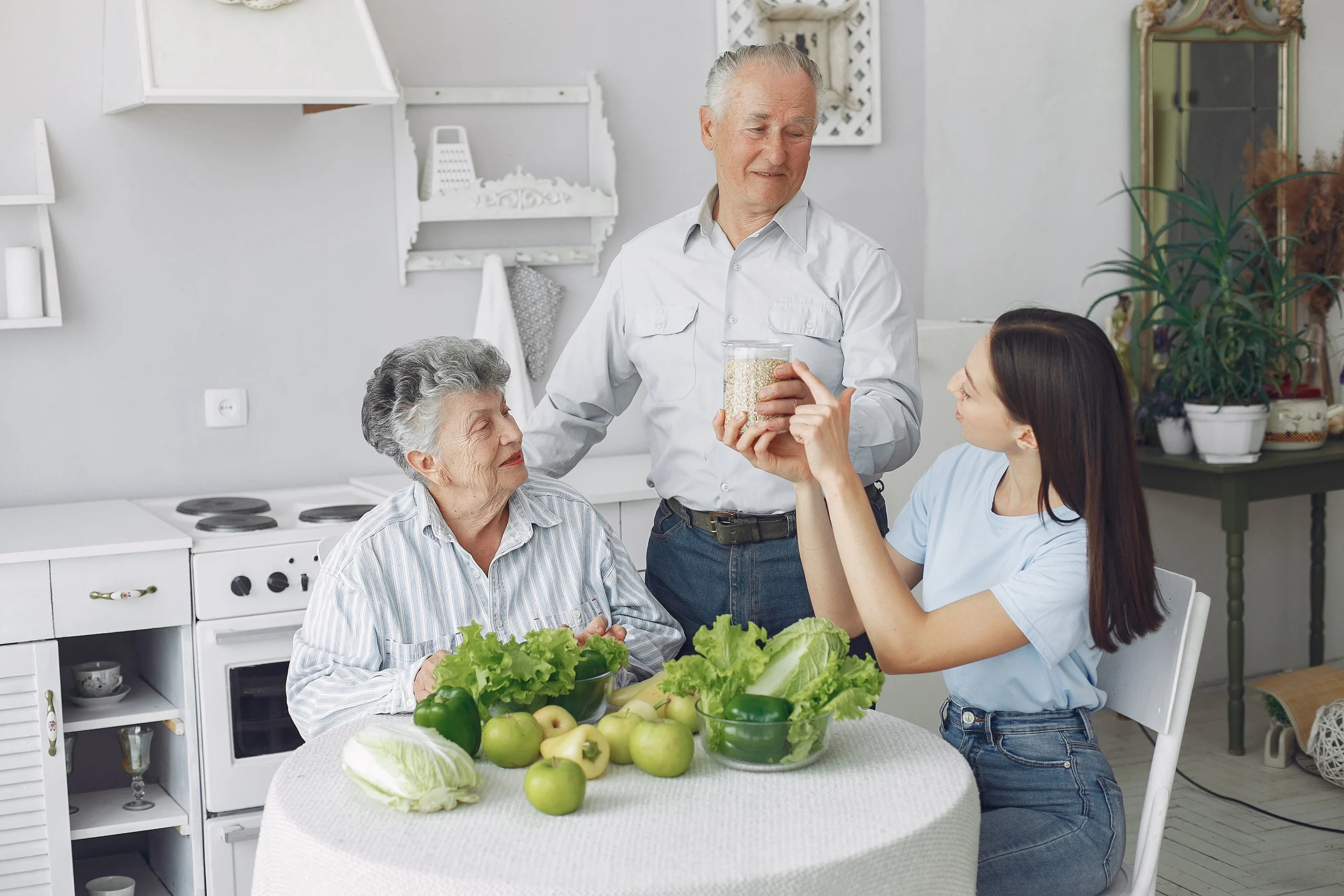
Introduction to Elderly Nutrition
For many families caring for an ageing parent, the focus on medication, mobility, and doctor visits often leaves one critical factor underattended: what the elderly person eats every day. Nutrition tips for elderly people at home are not a secondary concern — adequate nutrition is a direct determinant of immunity, muscle function, wound healing, cognitive clarity, and quality of life in older adults.
The nutritional requirements of a 70-year-old are meaningfully different from those of a 40-year-old. Metabolism slows. Appetite decreases — sometimes significantly. The gut absorbs certain nutrients less efficiently than it did decades earlier. Chronic conditions — diabetes, hypertension, osteoporosis, heart disease — impose additional dietary restrictions and requirements simultaneously. And the social context of eating often changes: meals that were once shared in a full household are now eaten alone, reducing the motivation to cook well or eat enough.
This guide provides practical, evidence-informed guidance on the nutritional needs of elderly people, the best foods for senior health and immunity, meal planning strategies, and the specific role that caregivers — professional and family — play in ensuring elderly people at home get the nutrition their bodies need.
Nutritional Needs of Elderly People
Aging changes both how much the body needs of specific nutrients and how efficiently it absorbs them. Understanding these shifts is the foundation of any practical senior nutrition guide.
Essential Vitamins and Minerals
| Nutrient | Daily Requirement (65+) | Why It Matters | Signs of Deficiency |
| Calcium | 1,000–1,200 mg/day | Maintains bone density; reduces fracture risk in osteoporosis | Muscle cramps, bone pain, increased fracture risk |
| Vitamin D | 600–800 IU/day (higher if deficient) | Supports calcium absorption; regulates immune function | Fatigue, bone pain, increased infection susceptibility |
| Vitamin B12 | 2.4 mcg/day | Nerve function, red blood cell production; absorption declines with age | Fatigue, tingling in hands/feet, memory issues |
| Iron | 8 mg/day | Oxygen transport; anaemia risk increases with poor appetite | Pallor, fatigue, shortness of breath, cold extremities |
| Potassium | 4,700 mg/day | Blood pressure regulation, muscle function, heart rhythm | Muscle weakness, constipation, irregular heartbeat |
| Magnesium | 320–420 mg/day | Bone health, blood sugar regulation, sleep quality | Muscle cramps, insomnia, elevated blood pressure |
* Requirements sourced from National Institutes of Health (NIH) Dietary Reference Intakes. Individual needs vary — consult a physician or registered dietitian for personalised recommendations.
Protein Requirements for Muscle Health
Sarcopenia — the age-related loss of muscle mass and strength — affects approximately 30% of adults over 60, according to the World Health Organization. Adequate protein intake is the primary dietary intervention for slowing this process. The standard Recommended Dietary Allowance (RDA) of 0.8g of protein per kg of body weight per day is now considered insufficient for older adults. Research published in the Journal of the Academy of Nutrition and Dietetics recommends 1.0–1.2g per kg body weight per day for adults over 65 — rising to 1.2–1.5g/kg/day for those recovering from illness or surgery. For a 60 kg elderly person, this means 60–72g of protein daily.
Importance of Fibre for Digestion
Constipation affects an estimated 30–40% of community-dwelling older adults and is one of the most common gastrointestinal complaints in elderly home care. The recommended fibre intake is 21g/day for women over 51 and 30g/day for men over 51 (Dietary Guidelines for Americans). Adequate fibre supports bowel regularity, reduces cholesterol, stabilises blood glucose levels, and feeds beneficial gut bacteria — all factors that directly affect systemic health in elderly people. Soluble fibre (oats, legumes, apples, psyllium) is particularly valuable for seniors with high cholesterol or blood glucose issues.
Hydration and Fluid Intake
Elderly people experience a diminished thirst sensation — a physiological change that means they may not feel thirsty even when mildly dehydrated. Dehydration in seniors worsens confusion, increases urinary tract infection risk, causes constipation, and raises fall risk due to dizziness. The National Institute on Aging recommends 8–10 cups (approximately 1.5–2 litres) of fluid daily for older adults, including water, herbal teas, soups, and water-rich foods like cucumbers and oranges. Caregivers managing elderly people at home should make hydration a scheduled activity — not a response to thirst.
Best Foods for Elderly Health and Immunity
A healthy diet for elderly at home does not require elaborate cooking or expensive supplements. The most effective nutritional interventions are built around accessible, whole foods that address multiple nutritional needs simultaneously.
Fruits and Vegetables
Fruits and vegetables deliver vitamins, minerals, antioxidants, and fibre in a low-calorie, easy-to-eat package — critical for seniors whose caloric needs have decreased while their micronutrient requirements remain high or increase. Dark leafy greens (spinach, fenugreek, amaranth) provide calcium, iron, folate, and Vitamin K. Citrus fruits deliver Vitamin C for immune function and collagen maintenance. Bananas offer potassium and energy without requiring chewing effort. Papaya provides digestive enzymes alongside Vitamin C and folate. For seniors with difficulty chewing, steamed or pureed vegetables deliver equivalent nutritional value.
Whole Grains and Fibre-Rich Foods
Oats, brown rice, whole wheat, ragi (finger millet), and jowar are the backbone of a fibre-rich diet for senior citizens. Ragi, widely consumed in South India, is particularly valuable for elderly nutrition — it is one of the richest plant-based sources of calcium (344mg per 100g) and contains significant iron, making it a single-ingredient solution to two common elderly deficiencies. Oats provide soluble beta-glucan fibre that reduces LDL cholesterol and moderates post-meal blood glucose — beneficial for elderly with type 2 diabetes or cardiovascular conditions.
Protein Sources — Plant and Animal
For elderly people at home, protein should be distributed across all three main meals rather than concentrated in one. Animal protein sources — eggs (the most bioavailable complete protein, with 6g per egg), fish (especially oily fish like mackerel, sardines, and salmon for omega-3 alongside protein), chicken, and dairy (curd, paneer, milk) — support muscle maintenance effectively. For vegetarian seniors, a combination of dals, legumes, tofu, peanuts, and dairy meets protein requirements without relying on meat. One serving of curd (approximately 200g) provides 10–12g of protein alongside calcium and probiotics — a particularly efficient food for elderly nutrition.
Healthy Fats for Heart Health
Not all fats are detrimental to elderly health. Omega-3 fatty acids — found in fatty fish, flaxseeds, walnuts, and chia seeds — actively reduce systemic inflammation, support brain function, and lower cardiovascular risk. Monounsaturated fats from avocado, groundnut oil, and sesame oil are preferable to saturated fats from processed foods. Coconut oil, traditionally used in coastal Karnataka cooking, contains medium-chain triglycerides (MCTs) that the body metabolises differently from long-chain saturated fats — and emerging research from the University of Oxford suggests potential cognitive benefit at moderate intake, though evidence remains preliminary.
Foods to Avoid for Senior Citizens
The foods most dangerous to elderly health are often those most readily available and most familiar — processed snacks, high-sodium condiments, and sugar-rich beverages that accumulated no harm at 40 but carry significant risk at 70.
- High-sodium foods — processed meats, packaged namkeens, pickles, papads, sauces, and ready-to-eat meals contribute to hypertension, water retention, and kidney strain. The WHO recommends less than 5g of salt per day for adults; most elderly individuals with hypertension need significantly less.
- Processed and sugary foods — white bread, biscuits, sweetened beverages, and packaged sweets spike blood glucose without providing nutrients. For elderly with diabetes or pre-diabetes (estimated to affect 25–30% of Indians over 65, per ICMR data), these foods directly worsen glycaemic control.
- Hard-to-chew or swallow foods — raw carrots, tough meats, hard seeds, and large pieces of any food carry aspiration risk for elderly with dental issues or swallowing difficulties (dysphagia). Foods should be consistently soft, moist, and cut into small pieces for seniors at risk.
- Trans fats and refined oils — vanaspati, partially hydrogenated vegetable oils, and fried fast food raise LDL cholesterol and inflammation. Elderly with existing cardiovascular conditions should avoid these entirely.
- Excessive alcohol — even moderate alcohol intake in elderly people increases fall risk, interferes with medication metabolism, and exacerbates liver strain. Many medications commonly prescribed to seniors — blood thinners, diabetes medications, sleep aids — interact dangerously with alcohol.
Meal Planning for Seniors at Home
Creating a Balanced Daily Diet Plan for Senior Citizens
| Meal | Recommended Foods | Nutritional Goal |
| Early Morning (6–7 AM) | 1 glass warm water with lemon or soaked almonds (5–6) + 1 fruit | Hydration, antioxidants, healthy fat |
| Breakfast (8–9 AM) | Oats porridge / ragi mudde / idli + sambar / soft vegetable upma + 1 glass milk or curd | Protein, calcium, fibre, carbohydrate energy |
| Mid-Morning (11 AM) | 1 seasonal fruit (banana/papaya/chikoo) or coconut water | Potassium, natural sugars, hydration |
| Lunch (1 PM) | 2 soft chapati / rice + dal + 1 vegetable subzi + curd + small piece of fish or egg | Complete protein, iron, fibre, probiotics |
| Afternoon Snack (4 PM) | Warm milk + 2 whole grain biscuits or a small bowl of sprouts salad | Calcium, protein, sustained energy |
| Dinner (7 PM) | Soft rice / khichdi + lentil soup + 1 steamed vegetable dish | Easy digestion, iron, fibre, warm comfort |
| Before Bed (Optional) | 1 cup warm turmeric milk (haldi doodh) or herbal tea | Anti-inflammatory, calming, hydration |
* This plan is illustrative for a healthy elderly adult. Adjust based on medical conditions, appetite, swallowing ability, and medication schedule. Consult a registered dietitian for a personalised diet plan for senior citizens.
Portion Control and Meal Frequency
Most elderly people find three large meals increasingly difficult to manage — appetite diminishes, gastric emptying slows, and energy levels after a large meal drop significantly. Four to six smaller meals distributed throughout the day are typically better tolerated and result in more consistent nutrient intake across the day. Each small meal should include at least one protein source (egg, dal, curd, fish, paneer) and one vegetable or fruit. This frequency also helps maintain blood glucose stability — critical for elderly with diabetes.
Easy-to-Cook and Soft Food Options
Texture modification is often the first practical step in improving elderly nutrition at home. Soft foods for elderly people include: khichdi (rice and lentils cooked together with ghee), idli with sambar (steamed, soft, and nutritionally complete), vegetable soups with added protein (dal soup, chicken broth with soft vegetables), yogurt with mashed banana, scrambled eggs, ragi porridge, mashed potatoes with ghee and cumin, and steamed fish. These options are quick to prepare, affordable, and provide balanced nutrition without requiring chewing effort or complex cooking.
Common Dietary Challenges in Elderly
1. Loss of Appetite
Reduced appetite in elderly adults is caused by multiple overlapping factors: decreased physical activity reducing caloric demand, diminished sense of smell and taste making food less appealing, social isolation reducing the motivation to cook, depression (which affects 20–25% of elderly adults at some stage), and medication side effects. The practical response is energy-dense, small-volume foods — adding ghee or coconut oil to meals, including nuts and seeds as snacks, and fortifying standard foods (adding milk powder to curd, adding protein powder to porridge) — so adequate nutrition is achieved even at reduced eating volume.
2. Difficulty Chewing or Swallowing
Approximately 15% of elderly people experience dysphagia (swallowing difficulty) to some degree, according to the Dysphagia Research Society. Dental deterioration affects a significantly higher proportion. Both conditions require texture modification. The International Dysphagia Diet Standardisation Initiative (IDDSI) framework provides a seven-level classification from thin liquids to regular foods — caregivers managing seniors with swallowing difficulties should consult a speech-language pathologist to determine the appropriate texture level before modifying the diet.
3. Medical Conditions Requiring Dietary Modification
Diabetes requires carbohydrate monitoring and glycaemic index awareness. Hypertension requires sodium restriction and potassium-rich foods. Chronic kidney disease restricts protein, potassium, and phosphorus simultaneously — creating a particularly complex dietary management challenge. Heart disease requires fat quality monitoring and omega-3 increase. Each of these conditions imposes constraints on the other recommendations in this guide — making personalised dietitian input essential for elderly with multiple chronic conditions.
4. Medication and Nutrition Interaction
Many medications taken by elderly patients affect nutritional status. Proton pump inhibitors (PPIs) for acid reflux reduce Vitamin B12 absorption over time. Metformin (for diabetes) depletes Vitamin B12. Warfarin (blood thinner) interacts with Vitamin K in green leafy vegetables. Statins interact with grapefruit. Diuretics deplete potassium and magnesium. Caregivers and families should maintain a complete medication list and share it with the treating dietitian to identify nutrition-drug interactions that may require dietary or supplement adjustments.
Tips for Caregivers and Families
- Prepare nutritious, visually appealing meals in small portions. Presentation matters — a colourful plate of food is more likely to be eaten than a grey, monotone one. Use herbs and mild spices (cumin, turmeric, coriander) to enhance flavour without adding salt.
- Monitor eating habits without creating anxiety around food. Note what is left uneaten at each meal, track weight weekly, and flag consistent refusal to eat for medical review. Early identification of appetite decline prevents nutritional deterioration.
- Encourage fluid intake actively, not passively. Offer water, coconut water, buttermilk, herbal teas, and soups at regular intervals throughout the day rather than leaving a water bottle nearby and assuming it will be used.
- Maintain a consistent meal routine: Eating at fixed times supports the elderly person’s circadian rhythm, gastric acid production, and appetite regulation. Irregular meal timing in elderly adults with dementia, in particular, can worsen confusion and agitation.
- Make meals a social experience where possible: Research from the National Institute on Aging shows that elderly people who eat with companions consistently consume more food than those who eat alone — even in the same household. Sit with the person at mealtimes.
- Keep emergency nutrition options accessible: Nutritional supplements like Ensure, Complan, or Horlicks can bridge nutritional gaps on days when appetite is very low — but should not replace whole food meals as the primary nutrition source.
Role of Professional Caregivers in Elderly Nutrition
A trained home caregiver does more than assist with personal hygiene and mobility. For elderly people at home, the caregiver’s role in nutrition is direct, daily, and measurable.
- Meal preparation aligned with dietary requirements: A professional caregiver can prepare meals according to the physician or dietitian’s prescribed diet — managing sodium restrictions, soft food texture requirements, diabetic diet guidelines, or post-surgery soft diet specifications with the consistency that family members managing their own schedules often cannot sustain.
- Dietary intake monitoring and documentation: Caregivers can maintain a daily food and fluid intake log — tracking what the elderly person ate and drank at each meal. This record is clinically valuable at doctor appointments and allows early identification of nutrition-related decline.
- Supporting special diet needs: Tube-fed patients, elderly recovering from stroke, or those with swallowing difficulties require specific feeding techniques and preparation methods that trained caregivers can provide safely. These skills are outside the scope of most family members without clinical training.
- Ensuring overall health and safety during meals: Aspiration risk — food or liquid entering the airway — is a serious concern for elderly people with swallowing difficulties. Trained caregivers use correct positioning, meal pacing, and texture standards to minimise this risk.
WeCare’s elderly care services in Mangalore, Udupi, Mysore, and Bangalore include meal preparation, dietary intake monitoring, and coordination with the family’s treating physician as part of standard caregiver duties. Explore WeCare’s elderly care services
When to Consult a Doctor or Nutritionist
Not every nutritional concern requires medical intervention — but several situations demand professional assessment without delay.
| Unexplained or Rapid Weight Loss
Weight loss of more than 5% of body weight in 3 months, or 10% in 6 months, in an elderly person warrants immediate medical evaluation. Unintentional weight loss in seniors is associated with sarcopenia, cancer, depression, dementia, and a range of other serious conditions. Do not attribute it to ‘just old age.’ |
| Chronic Health Conditions With Dietary Impact
Elderly with diabetes, chronic kidney disease, heart failure, or liver disease should have their diet managed by a registered dietitian in coordination with their physician. The interaction between dietary restrictions from multiple conditions requires expert management that family members and general caregivers are not trained to handle independently. |
| Signs of Nutritional Deficiency
Unusual fatigue, muscle weakness, bone pain, skin changes, hair loss, bruising more easily than before, poor wound healing, or neurological symptoms (tingling, numbness, memory changes) may indicate specific micronutrient deficiencies. A blood panel including full blood count, Vitamin B12, Vitamin D, iron studies, and HbA1c for diabetics provides baseline data for nutritional assessment. |
| Swallowing Difficulty or Choking Episodes
Any episode of choking during meals, coughing persistently after eating or drinking, wet-sounding voice after meals, or avoidance of certain foods due to swallowing difficulty requires assessment by a speech-language pathologist. Untreated dysphagia in elderly people carries a high risk of aspiration pneumonia — one of the leading causes of hospital admission and death in elderly adults. |
Conclusion
The most important nutrition tip for elderly people at home is also the simplest: do not treat nutrition as a secondary concern. The quality and consistency of what an elderly person eats every day determines the trajectory of their physical health, their immune resilience, their cognitive clarity, and their quality of life. A well-nourished elderly adult recovers faster from illness, maintains muscle strength longer, manages chronic conditions more effectively, and lives with more dignity.
Families caring for elderly parents at home often carry this responsibility alone — managing medication, doctor visits, household tasks, and nutritional requirements simultaneously. A trained home caregiver bridges this gap: providing consistent, expert nutritional support as part of a complete elderly care programme. WeCare’s home nursing team in Mangalore, Udupi, Mysore, and Bangalore includes caregivers trained in elderly dietary management, meal preparation for special medical diets, and fluid intake monitoring — working in coordination with the family and the patient’s treating physician.
| Need professional elderly care at home? WeCare provides trained caregivers across Mangalore, Udupi, Mysore, and Bangalore. WhatsApp / Call: +91 6364303333 | Email: info@wecare24.co | wecare24.co/elder-care-mangalore/ |
Frequently Asked Questions
What should elderly people eat daily?
A balanced daily diet for elderly adults should include: whole grains or soft starches (oats, rice, ragi, idli) for energy and fibre; at least one protein-rich food at each meal (egg, dal, curd, fish, paneer) to support muscle maintenance; 4–5 servings of fruits and vegetables for vitamins, minerals, and antioxidants; adequate dairy (milk, curd) for calcium; and 8–10 cups of fluid throughout the day. Foods should be soft in texture, low in sodium, and free from trans fats and excess sugar. Meals are best eaten in 4–6 small portions distributed across the day rather than two or three large meals.
How many meals should seniors have in a day?
Four to six small meals distributed throughout the day are generally better tolerated by elderly adults than two or three large meals. This frequency supports blood glucose stability, reduces the fatigue that follows large meals, and ensures consistent nutrient intake even when appetite is variable. A typical pattern includes early morning warm water and a fruit, breakfast, a mid-morning snack, lunch, an afternoon snack, and an early dinner. Portion sizes should be moderate and adjusted to the individual’s actual appetite and medical requirements.
What foods are easy to digest for elderly people?
Soft foods for elderly people that are easy to digest include: khichdi (rice and lentils cooked together), idli and soft dosas with sambar, oatmeal or ragi porridge, scrambled or boiled eggs, steamed fish with soft vegetables, mashed potatoes with ghee, curd and banana, vegetable soups and lentil broths, and soft-cooked seasonal vegetables. These foods are low in fibre that requires extensive digestion, are soft enough for seniors with dental issues, and provide good nutritional value without straining the digestive system.
How can caregivers improve elderly nutrition at home?
Caregivers can improve elderly nutrition by: preparing four to six small, nutrient-dense meals daily rather than two or three large ones; actively monitoring food and fluid intake and documenting it; encouraging hydration at regular intervals throughout the day; modifying food texture to match the elderly person’s chewing and swallowing ability; making mealtimes social and calm rather than rushed; keeping energy-dense supplements accessible for low-appetite days; and flagging consistent appetite loss, weight change, or swallowing difficulty to the treating physician. Professional caregivers from home nursing services like WeCare are trained to manage special dietary requirements and coordinate with the family’s medical team.
What are common nutritional deficiencies in seniors?
The most common nutritional deficiencies in elderly adults are: Vitamin B12 (particularly in vegetarians and those on long-term metformin or PPIs); Vitamin D (due to reduced sun exposure and decreased skin synthesis efficiency with age); calcium (linked to reduced dairy intake and poor absorption); iron (especially in elderly women and those with poor appetite); protein (due to reduced appetite and inadequate dietary variety); and potassium (in those taking diuretics or eating low-vegetable diets). A blood panel including these markers every 6–12 months allows early identification and targeted supplementation or dietary correction before deficiency becomes symptomatic.
| About the Author
L K Monu Borkala | Chief Strategist, OneCity Technologies Pvt. Ltd. L K Monu Borkala is the Founder and Chief Strategist of OneCity Technologies Pvt. Ltd. (est. 2004), a Bangalore-based digital marketing agency serving 650+ clients across India and UAE. With 20+ years of experience in SEO, content strategy, and digital marketing across health, education, and business service verticals, he oversees editorial compliance and YMYL content standards across the OneCity content delivery framework. LinkedIn: https://www.linkedin.com/in/monuborkala/ Author Profile: https://onecity.co.in/blog/author/onecityblogs/ |
